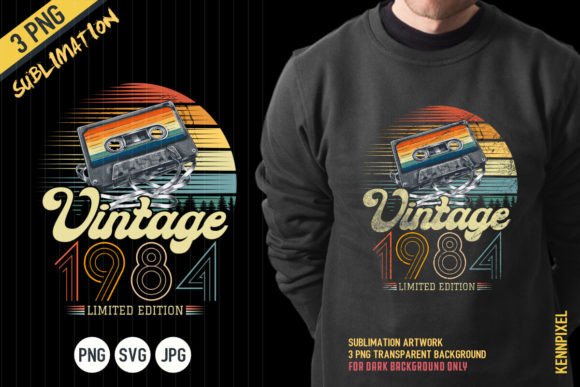
Vintage 1984 Cassette Tape Retro Embroidery Review
As a designer who spends more time staring at stitch charts and fabric swatches than sleeping, I have developed a keen eye for what actually translates well from screen to needle. When I first pulled up the Vintage 1984 Cassette Tape Retro design, my immediate reaction was one of cautious optimism. Nostalgia is a powerful driver in the handmade market right now, but nostalgia can easily tip into kitsch if the execution isn’t grounded in solid design principles. This T-Shirt Designs category entry caught my attention because it promises a specific aesthetic that resonates with both Gen Xers who lived through the analog era and Millennials who romanticize it.
I am evaluating this Graphics asset not just as a digital image, but as a potential component of a real-world commercial product. The description indicates you receive a ZIP file containing five files: an SVG with 100 vector shapes, a high-resolution JPG, and three PNGs. While these are excellent assets for digital mockups and print-on-demand workflows, my primary focus here is how this design performs when converted into a physical machine embroidery design. Does the visual weight hold up? Is the detail level manageable for a standard home or commercial machine?
First Impressions and Visual Personality
The Vintage 1984 Cassette Tape Retro design exudes a distinct mood. It feels tactile, even before a single thread touches the fabric. The silhouette of a cassette tape is iconic, instantly recognizable, and inherently balanced. For an embroiderer, this geometric simplicity is a blessing. Unlike complex floral arrangements or intricate portraits, a cassette tape relies on clean lines and defined blocks. This suggests that the design will likely rely heavily on satin stitch for the borders and outlines, with fill stitch potentially used for the tape reels or label areas.
From a branding perspective, this design screams "retro cool." It works exceptionally well for businesses targeting a vintage aesthetic. Whether you are running an Etsy shop focused on hipster apparel or a boutique selling custom gifts, this graphic offers immediate visual appeal. It feels curated rather than generic. The inclusion of 100 vector shapes in the SVG file suggests a high degree of modularity. This means a savvy designer could isolate specific elements—like just the tape reels or the outer shell—to create smaller, more delicate accents, such as those found on baby embroidery projects or subtle chest logos on custom apparel.
Real-World Application: The Tote Bag Scenario
To truly test a design’s viability, I like to imagine it on a specific product. Let’s say I am preparing a batch of canvas tote bags for a local craft fair. These bags are meant to be practical, durable, and stylish. Placing the Vintage 1984 Cassette Tape Retro design centered on the front of a natural cotton canvas tote creates an instant conversation starter. The boldness of the cassette shape stands up well against the textured weave of canvas.
However, the choice of thread colors becomes critical here. If I were using a black canvas bag, I would need to ensure the design uses bright, contrasting threads to pop. Conversely, on a white or cream bag, a monochrome black thread scheme might look too stark unless balanced with metallic or pastel accent threads. The design’s versatility allows for this kind of customization, which is a huge plus for Etsy sellers looking to offer personalized options. Customers love seeing their own color preferences reflected in the final finished product.
Another strong use case is sweatshirt embroidery. A crewneck sweatshirt in heather grey paired with this retro design feels timeless. The slightly fuzzy texture of fleece can soften the edges of the embroidery, making the sharp lines of the cassette tape feel more integrated and less "stuck on." This adds to the perceived value of the item, making it feel like a high-quality handmade product rather than a mass-produced novelty.
Technical Considerations and Stitch Density
While the concept is strong, we must address the technical realities of digitizing or using this design. The prompt mentions an SVG with 100 vector shapes. In embroidery terms, complexity is the enemy of durability. If the design includes tiny text or extremely fine details within the cassette label area, it may become illegible after stitching, especially on stretchy fabrics.
I always advise checking the stitch density before committing to production. Dense fill stitches can cause puckering on lightweight fabrics like thin cotton tees or jersey knits. If this design is intended for apparel decorators working with delicate materials, a lighter touch is required. Using a proper stabilizer is non-negotiable. For a design with significant fill areas, a cut-away stabilizer might be necessary to prevent distortion during washing.
Furthermore, consider the hoop size. If the design is large, it requires a larger hoop, which limits where it can be placed on certain garments. For example, placing a large cassette design on a baseball cap can be challenging due to the curved surface. The tension might vary across the curve, leading to loose stitches or thread breaks. In such cases, testing on scrap fabric of the same material is essential. This step saves money and preserves your reputation for quality.
Where to Exercise Caution
There are specific scenarios where this design might struggle. On highly textured fabrics, such as bouclé wool or thick terry cloth, small details can get lost in the nap of the fabric. Similarly, on dark fabrics, if the thread colors chosen do not provide sufficient contrast, the design will lack impact. Always inspect the design in black and white mockups to ensure the tonal values work together.
Additionally, be mindful of the edges. Satin stitches on sharp corners can sometimes pull or distort if not trimmed properly. If the design features intricate corner details on the cassette body, verify that the digitization accounts for these stress points. For products that need frequent washing, such as kitchen towels or aprons, ensuring the stitches are secure and the backing is stable is crucial for longevity.
Commercial Viability and Brand Consistency
For commercial embroidery professionals, the Vintage 1984 Cassette Tape Retro design offers a unique selling proposition. It taps into a trending aesthetic without feeling dated. It fits seamlessly into collections focused on music lovers, gamers, or anyone with a taste for 80s culture. This thematic consistency helps build brand identity. If your shop specializes in retro-themed goods, adding this design reinforces your niche.
The availability of high-resolution PNGs and JPGs also aids in marketing. You can create stunning printable mockups to showcase the design on various products before even buying the thread. This allows you to test different colorways and placements digitally, saving time and resources. For digital product sellers, these assets can be repurposed for sublimation designs or vinyl cuts, maximizing the utility of the initial purchase.
However, always confirm licensing terms. Even if the file comes with an SVG, the rights to sell finished physical items or redistribute the digital files can vary. As a professional, protecting your business means understanding exactly what you are allowed to do with the design assets. If the license permits commercial use, this design has the potential to become a bestseller due to its broad appeal and strong visual hook.
Final Verdict
The Vintage 1984 Cassette Tape Retro design is a robust, versatile option for designers looking to add a touch of nostalgia to their repertoire. Its clean geometry makes it suitable for a wide range of applications, from tote bag design projects to embroidered patch creations. While it requires careful consideration of fabric choice, thread contrast, and stabilizer use, the payoff in customer engagement is significant.
It is not just a graphic; it is a statement piece that connects emotionally with buyers. By treating it with the respect it deserves—testing thoroughly, choosing appropriate materials, and presenting it professionally—you can transform this digital file into a cherished personalized gift or a staple of your craft business inventory. For any maker who values both aesthetics and functionality, this design earns a strong recommendation.