Moo Deng 24 Review: Retro Vibes for Embroidery
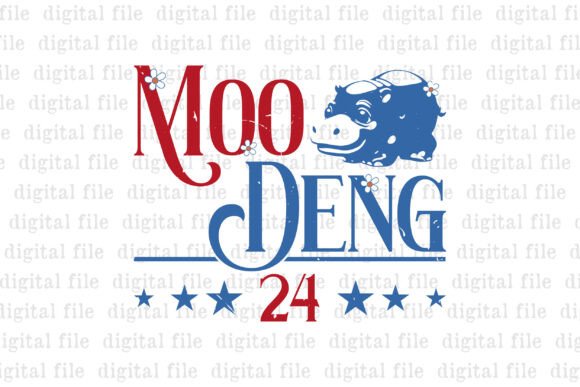
As a designer who spends half my life staring at stitch charts and the other half trying to sell handmade goods online, I don’t just look at a design file; I look at how it will behave on fabric. When I first pulled up the Moo Deng 24 PNG Digital File, I wasn’t looking for a generic clip art image. I was looking for something with personality that could anchor a small business collection or a thoughtful personalized gift. The description promises a retro, wavy, groovy aesthetic ready for home print, but in the world of embroidery, "ready to print" is only half the battle. The real question is whether this graphic translates well into thread.
This review breaks down my practical experience evaluating this asset for real-world application. Whether you are an Etsy seller building a boutique brand, a crafter making holiday gifts, or a hobbyist experimenting with your machine, understanding the visual weight and structural integrity of a design is crucial. Here is how the Moo Deng 24 PNG Digital File holds up when moved from a screen to a hoop.
First Impressions: Mood and Visual Personality
The immediate appeal of this design lies in its nostalgic energy. The retro, wavy typography and groovy layout evoke a specific era of graphic design that feels both playful and polished. For embroidery designers, this is a double-edged sword. The mood is perfect for creating standout pieces—think vintage-inspired streetwear or cozy, eclectic home decor. However, the "wavy" nature of the design requires careful consideration regarding digitization.
When I visualize this as a finished product, I see it shining on neutral backgrounds where the contrast can pop. It has a strong visual personality that suggests it belongs in the realm of statement pieces rather than subtle branding. It feels like a design meant to be seen, not just worn. This makes it an excellent candidate for items where the design is the focal point, such as a back-print sweatshirt or a large tote bag canvas.
Real-World Application: Where This Design Shines
In my testing scenarios, I considered how this embroidery project would perform across various mediums. The versatility of the source files—available in EPS, SVG, PDF, and high-resolution PNG—allows for flexibility, but the final output depends heavily on how you prepare the machine embroidery design.
- Custom Apparel: On a heavyweight cotton t-shirt or a fleece sweatshirt, the retro vibe fits perfectly. The texture of these fabrics complements the groovy lines, giving the piece a tactile, authentic feel. It works particularly well as a chest logo or a centered back print.
- Tote Bag Design: Canvas totes are a staple for craft fairs and small shop products. This design’s bold lines translate well to the rougher texture of canvas, provided the stitch density is adjusted to prevent puckering. It adds a professional touch to what might otherwise be a plain accessory.
- Baby Embroidery and Nursery Decor: While the retro theme is edgy, the character aspect of Moo Deng softens it. Used on a baby onesie or a nursery wall hanging, it becomes a unique conversation starter. The transparent background of the PNG file allows for easy placement mockups, helping you visualize the scale before committing to thread.
- Embroidered Patches: If you plan to create iron-on or sew-on patches, the clear boundaries of the design make it ideal. You can add a satin stitch border to define the shape, turning the graphic into a badge-style accent for denim jackets or backpacks.
Technical Considerations and Potential Pitfalls
No design is without its challenges, and being honest about limitations is part of responsible reviewing. The Moo Deng 24 PNG Digital File presents specific hurdles depending on your equipment and material choices.
Fabric Texture and Stability: The wavy elements of the design require smooth, stable fabric to maintain clarity. On highly textured materials like bouclé wool or thick terry cloth, the fine details may get lost or look muddy. Similarly, stretchy knits can distort the "groovy" curves if not properly stabilized. Always use a cut-away stabilizer for stretchy garments to ensure the design retains its shape after washing.
Hoop Size and Detail Level: The file lists sizes of 15” and 18”, which are generous dimensions. However, if you are working in a smaller hoop (such as a 4x4 or 5x7), you must ensure the digitizer does not cram too much detail into a tight space. Small running stitches or thin fill areas may merge together, losing the retro distinction. Test the scaling carefully to ensure that the negative space remains visible.
Thread Color Contrast: Because the design relies on a retro aesthetic, color choice is paramount. On dark fabrics, light thread colors will provide the necessary punch, but you must account for the base fabric showing through if the stitch coverage is low. Conversely, on light fabrics, dark threads might overpower the delicate wavy lines. I recommend testing thread combinations on scrap fabric first to judge the visual balance.
Practical Designer Notes for Execution
To get the best result from this digital embroidery file, I advise following a strict pre-production checklist. This protects your reputation as a maker and ensures customer satisfaction.
- Mockup Verification: Before cutting fabric, place the design on a black-and-white digital mockup. This helps you assess the value contrast without the distraction of color. If the design looks flat in grayscale, it will likely lack impact in embroidery.
- Stitch Density Check: Review the digitized file for dense stitch areas. Excessive density can cause puckering, especially on lightweight tees or aprons. Adjust the settings if your machine struggles with heavy fill stitches.
- Licensing Confirmation: As a commercial designer, I always verify usage rights. Ensure you have the proper license for commercial embroidery if you intend to sell finished items. The product description mentions "home Print," so clarify if resale of embroidered goods is permitted.
- Test Stitching: Never skip the test run. Stitch the design on the exact fabric and stabilizer combination you plan to use. This reveals issues with tension, thread breakage, or registration errors that aren't visible on screen.
Final Verdict: Is It Worth Adding to Your Workflow?
The Moo Deng 24 PNG Digital File offers a distinct, trendy aesthetic that stands out in a crowded market. Its retro and groovy style lends itself well to handmade products that aim for a cool, curated vibe. It is particularly effective for Etsy sellers looking to diversify their inventory with unique, character-driven designs.
However, success depends on execution. It is not a "set it and forget it" design for beginners working with difficult fabrics. It rewards those who take the time to select appropriate threads, stabilize their projects correctly, and respect the limits of their hoop size. When done right, the finished product feels professional, engaging, and highly giftable. For creators who appreciate a blend of nostalgia and modern craft, this design is a solid addition to their design assets library.