Textile Fabric Tartan Scotland Seamless Review
When I first opened the files for Textile Fabric Tartan Scotland Seamless, my immediate reaction was one of cautious optimism. As a designer who has spent years troubleshooting stitch issues and advising small business owners on what actually sells, I don’t just look at how a design looks on a screen. I look at how it translates to thread. This Graphics asset falls squarely into the Textures category, which is a double-edged sword in the world of machine embroidery. It offers incredible visual depth but demands careful execution to avoid looking muddy or cluttered when stitched out.
The file package includes Ai, Eps, Png, Jpg, and Svg formats, which tells me this is primarily a vector-based texture intended for print or as a base layer, rather than a ready-to-stitch .pes or .dst file. For those of us working in the realm of commercial embroidery and custom apparel, this distinction is vital. You aren’t just uploading this to your digitizing software; you are using it as a foundational element to build upon, or perhaps printing it onto fabric before applying embroidery accents. Let’s break down how this specific tartan pattern performs in real-world scenarios.
First Impressions and Visual Mood
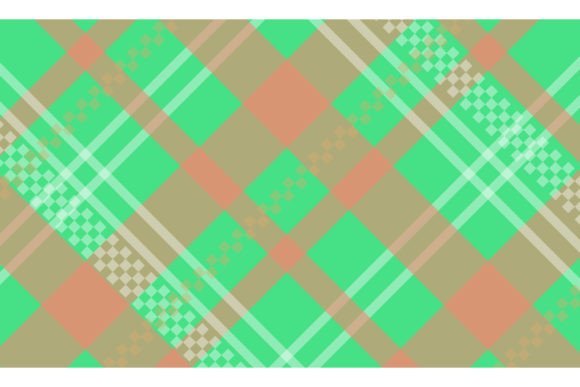
The aesthetic of Textile Fabric Tartan Scotland Seamless is undeniably retro. It carries that classic Scottish plaid energy—bold, structured, and deeply rooted in heritage. The mood it creates is cozy, traditional, and slightly rugged. When I imagine this design, I think of autumn harvests, Highland landscapes, and warm woolen blankets. It doesn’t feel modern or minimalist; it feels established and trustworthy.
For an Etsy seller or a craft business owner, this visual personality is a goldmine for seasonal products. The pattern naturally lends itself to holiday themes, particularly around Christmas and winter holidays. However, because it is a seamless plaid pattern, it also works beautifully for year-round items like workwear-inspired accessories, picnic gear, or rustic home decor. The layout is balanced, with intersecting lines that create a sense of order, which is pleasing to the eye but can be tricky to replicate perfectly if you are attempting to stitch the entire grid as a fill stitch.
Real-World Application: The Custom Tote Bag Scenario
To truly evaluate this design, let’s walk through a practical use case. Imagine you are preparing a batch of custom embroidered tote bags for a local farmers market or a boutique gift shop. You want to offer a product that feels handmade but looks professionally branded. You decide to use Textile Fabric Tartan Scotland Seamless as the background for a large front panel.
If you were to attempt stitching this entire seamless pattern directly onto canvas using standard thread colors, you would run into significant challenges. The density required to cover a large area with a plaid pattern would likely cause puckering, especially on lighter weight fabrics. Instead, the smarter approach—and the one I recommend—is to treat this as a printable mockup or a sublimated fabric base. You print the tartan onto cotton canvas, then add a simple, high-contrast satin stitch logo or a few well-placed running stitch details over it.
This hybrid approach allows the intricate detail of the design assets to shine without overwhelming the structural integrity of the bag. Customers react positively to this combination because it looks expensive and thoughtful. The tartan provides the "wow" factor of complexity, while the embroidery adds the tactile value of a handmade product. It elevates a simple tote from a generic store-bought item to a curated personalized gift.
Performance in Different Embroidery Situations
While the tote bag example highlights a print-and-stitch method, there are other ways to integrate this digital embroidery file concept into your workflow. Here is how it holds up in various contexts:
- Sweatshirt Embroidery: On a heavy cotton fleece hoodie, a smaller, cropped section of the tartan can be used as a chest pocket design. If digitized correctly, the contrast between the dark threads of the plaid and the lighter fabric of the sweatshirt creates a striking, vintage collegiate look. This fits perfectly with the retro background vibe mentioned in the product description.
- Baby Embroidery: Be careful here. While tartan is cute for babies, the bold lines might be too harsh for nursery decor unless softened by pastel thread choices. However, for a gender-neutral baby blanket border, this pattern adds a nice touch of sophistication that parents appreciate.
- Embroidered Patch: This is where the Graphics nature of the file really helps. You can use the vector files (Ai/Eps) to create a precise patch outline. The sharp lines of the plaid translate well to applique design techniques, where a base fabric is cut to shape and top-stitched. The clean edges of the digital file ensure the final patch looks crisp, not jagged.
- Kitchen Towels and Aprons: These are high-turnover items in the small shop product market. A seamless tartan pattern works exceptionally well here because it mimics the look of traditional kitchen linens. It signals cleanliness, tradition, and home comfort.
Where to Use Caution
No design is perfect, and Textile Fabric Tartan Scotland Seamless has specific limitations that every embroidery designer should be aware of. Avoid placing dense versions of this pattern on stretchy fabric or thin materials like silk or lightweight rayon. The tension required to hold the thread will likely distort the fabric, ruining the drape of the garment.
Furthermore, be mindful of small hoop sizes. If you try to cram a complex plaid pattern into a 4x4 inch hoop, the individual lines may merge together, creating a muddy gray blob rather than a distinct check pattern. Always inspect small details before committing to production. I recommend testing the design in black and white mockups first. This helps you see if the contrast levels are sufficient for the eye to distinguish the pattern elements, regardless of color choice.
Also, consider the washing instructions for your finished product. Dense fill stitches can trap lint and wear down faster than simpler designs. If this item is destined for frequent washing, such as a work apron, ensure you are using high-quality polyester or rayon threads that resist fading and abrasion. The visual appeal of the tartan will diminish quickly if the threads bleed or fray after a few cycles.
Practical Designer Notes for Success
Before you rush to list this as a new Etsy listing or fulfill a client order, take these steps to ensure professionalism:
- Test on Scrap Fabric: Never go straight to the final product. Stitch a sample on the exact fabric type you plan to use. Check for stabilizer compatibility; some textured fabrics require cut-away stabilizers to prevent shifting.
- Review Stitch Density: If you are digitizing this yourself, keep the stitch count reasonable. Too much density leads to bulkiness. Use underlay stitches wisely to anchor the pattern without adding unnecessary thickness.
- Confirm Licensing: Since this is a digital product for sale, verify the commercial use rights. Can you sell physical items made with this design? Can you include it in a digital bundle? Clarify this before marketing to avoid legal issues.
- Thread Color Contrast: Experiment with different thread colors. Standard black and white threads might look too stark. Try navy and cream, or forest green and charcoal, to enhance the retro feel and make the design more appealing to a broader audience.
In conclusion, Textile Fabric Tartan Scotland Seamless is a versatile and visually strong asset for any creative entrepreneur. It shines brightest when used as a complementary element—either as a printed background or a carefully digitized accent—rather than a standalone dense stitch block. By respecting its limitations and leveraging its retro charm, you can create finished products that resonate with customers seeking authenticity and quality. Whether you are making holiday gifts, boutique branding materials, or everyday craft business staples, this design offers a solid foundation for professional results.