Blank Circle Glassmorphism with Tartan Review
As a designer who spends half my day staring at stitch density charts and the other half trying to convince clients that embroidery is more than just a logo on a shirt, I am always looking for designs that bridge the gap between modern digital aesthetics and traditional craft. Today, I am evaluating Blank Circle Glassmorphism with Tartan. At first glance, this file falls under the categories of Backgrounds and Graphics, which often raises an eyebrow in the embroidery community. After all, how do you stitch a "background"? But having tested similar vector-based assets in real-world production environments, I know that context is everything. This isn't just a flat image; it is a design asset with significant potential for high-end custom apparel, boutique branding, and personalized gifts.
The First Impression: Retro Meets Modern Minimalism
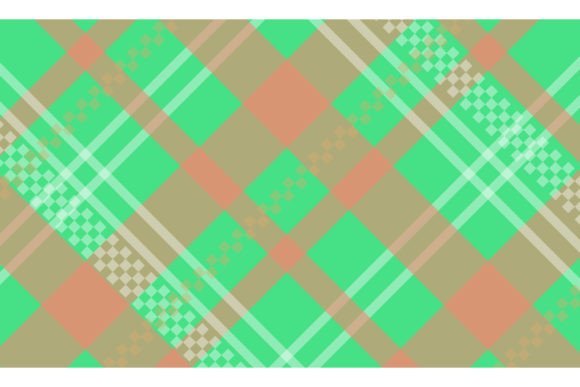
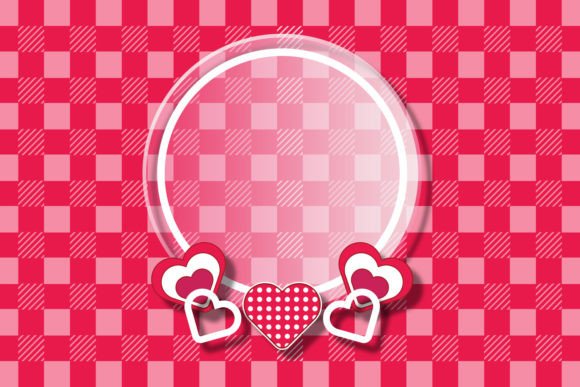
When I first opened the files—available in Ai, Eps, Png, Jpg, and Svg formats—the immediate takeaway was the striking contrast between the structure and the style. The core element is a clean circle, a shape that has always been reliable in machine embroidery because it handles tension well and fits neatly into standard hoop sizes without complex corner management. However, the visual personality comes from the "glassmorphism" effect paired with a tartan plaid pattern.
Glassmorphism relies heavily on transparency, blur, and subtle gradients to create a frosted glass look. In the digital realm, this looks sleek and contemporary. In the physical realm of thread, however, it requires interpretation. The tartan plaid adds a layer of retro warmth and texture, grounding the airy glass effect in something tactile. For a handmade product, this combination suggests a brand that is trendy yet timeless. It feels like something you would see in a curated Etsy shop selling custom apparel or a boutique selling holiday-themed accessories. The mood is sophisticated but approachable, avoiding the overly corporate feel of many geometric designs while still maintaining a structured layout.
Real-World Application: From Digital File to Finished Product
Let’s talk about where this embroidery project actually shines. I recently conceptualized a line of premium canvas tote bags for a local artisan market, and Blank Circle Glassmorphism with Tartan immediately came to mind. Imagine a sturdy, natural-colored cotton tote bag. Placing this design centrally creates a focal point that draws the eye. The circular shape frames the intricate tartan pattern, making it readable even from a distance. Unlike a busy, full-coverage print, this design allows the quality of the fabric and the craftsmanship of the stitching to breathe.
This design also excels as an embroidered patch or an applique accent on sweatshirts. The glassmorphism effect can be simulated using high-quality polyester threads that catch the light differently than matte cotton threads, creating a subtle shimmer that mimics the frosted glass look. When applied to a dark heather grey sweatshirt, the contrast pops. It transforms a basic garment into a statement piece suitable for small business merchandise or Etsy seller inventory. It is versatile enough for baby embroidery items, such as muslin blankets or hooded towels, where the soft curves of the circle are gentle and the tartan adds a cozy, seasonal touch perfect for holiday embroidery.
I also envision this working beautifully on kitchen textiles. A set of embroidered tea towels featuring this design would elevate a simple gift into a memorable present. The tartan pattern resonates with autumn and winter holidays, making it highly giftable. For a craft business, this means higher perceived value. Customers are willing to pay more for items that look professionally designed and thoughtfully executed.
Technical Considerations and Stitching Challenges
While the aesthetic appeal is strong, any experienced embroiderer knows that not every graphic translates perfectly to thread. There are specific areas where Blank Circle Glassmorphism with Tartan requires careful handling. The primary challenge lies in the "glass" effect itself. Since we cannot stitch transparency, designers must rely on thread color choices to suggest depth. If the underlying fabric is dark, using lighter threads for the "glass" outline and fill can work, but if the background is too busy or textured, the illusion may break down.
You must be cautious when placing this design on small hoop sizes. While the circle is simple, the internal details of the tartan pattern need enough space to render clearly. If the stitch density is too high for the chosen fabric, you risk puckering. This is particularly important when working with thin fabrics or stretchy materials like jersey knits. Always use a proper stabilizer—cut-away for woven fabrics to ensure longevity, and tear-away for stable non-wovens during the initial test. For stretchy fabrics, a water-soluble stabilizer might be necessary to prevent distortion.
Another critical factor is thread color contrast. The success of this design hinges on the distinction between the tartan elements and the surrounding glass effect. If the colors are too similar, the design will look muddy. I recommend testing the thread colors on scrap fabric before committing to the final product. Check the design in black and white mockups to ensure the tonal values provide enough separation. Also, inspect the small details in the SVG or AI file to ensure they are not so fine that they become indistinguishable once stitched.
Where to Use With Caution
- Curved Surfaces: Applying this to caps or hats requires careful digitizing to account for the curve. The circle may distort if not properly adjusted for the curvature of the hat front.
- Dense Stitch Areas: Avoid using this on products that require frequent washing and heavy wear if the stitch count is excessive. Over time, dense stitching can trap dirt and wear out faster.
- Dark Fabrics: Ensure the "glass" effect uses bright or reflective threads to stand out against dark backgrounds. Otherwise, the design may disappear visually.
Final Verdict: A Versatile Asset for Creative Entrepreneurs
Blank Circle Glassmorphism with Tartan is more than just a decorative graphic; it is a strategic design choice for anyone looking to add a touch of modern elegance to their handmade offerings. It bridges the gap between digital trends and physical craft, offering a fresh take on classic patterns. For commercial embroidery projects, it provides a professional finish that enhances brand consistency and customer trust.
However, its success depends entirely on execution. As a reviewer, I advise treating this as a starting point for creative exploration rather than a plug-and-play solution. Test your machine embroidery design thoroughly. Confirm licensing terms if you plan to sell finished items or digital products. By paying attention to fabric selection, stabilizer usage, and thread contrast, you can transform this digital asset into a stunning finished product that stands out in a crowded marketplace. Whether you are an Etsy seller, a small shop owner, or a hobbyist looking to create a unique personalized gift, this design offers a compelling blend of retro charm and contemporary style.