Retro Horse Rider Silhouette Review
As a designer who spends half my life in front of a screen and the other half watching a hoop fill up with thread, I have learned to be skeptical of any design that looks too good on a monitor. There is a distinct difference between a graphic that works as a vector cut and one that actually holds its own when stitched into fabric. Recently, I pulled Retro Horse Rider, Silhouette, Horse off the shelf to test for a potential client project involving custom apparel and boutique merchandise. What follows is a practical breakdown of how this specific silhouette performs in real-world embroidery scenarios, from the initial visual impact to the final stitch-out.
The First Impression: Mood and Visual Weight
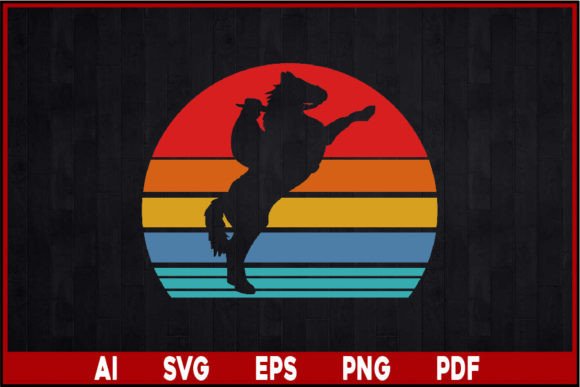
When you first load Retro Horse Rider, Silhouette, Horse into your digitizing software, the immediate takeaway is its bold, graphic nature. It does not rely on intricate shading or complex color blends to make an impression. Instead, it leans heavily on clean lines and a strong central shape. This is crucial for embroidery because solid shapes translate better than subtle gradients. The "retro" aspect gives it a nostalgic vibe—think vintage travel posters or classic Americana branding—which makes it incredibly versatile for certain demographics but potentially limiting for others.
The silhouette creates a mood of adventure and freedom. For a small business owner looking to create a cohesive brand identity, this design offers a clear personality. It feels rugged yet polished. When I placed it on a mockup for a canvas tote bag, the contrast was striking. However, when I moved it to a digital preview for a baby onesie, the starkness of the black silhouette felt a bit heavy. This highlights the importance of context; this is not a universal design, but it is a powerful one when applied correctly.
Real-World Application: Where This Design Shines
I tested Retro Horse Rider, Silhouette, Horse across several different product categories to see where it truly belongs in a craft business inventory. Here is what I found regarding its performance in actual production environments.
- Custom Apparel and Sweatshirts: This design excels on heavier fabrics. When embroidered on a heavyweight cotton sweatshirt or a denim jacket, the silhouette reads clearly even from a distance. The lack of fine detail means there are fewer points of failure during the stitching process. It works beautifully as a chest logo or a large back print for those aiming for a streetwear aesthetic.
- Tote Bag Designs: Canvas is forgiving, and the sturdy nature of the fabric complements the strong lines of the horse rider. I found that using a high-contrast thread color, such as cream or bright orange against a dark navy bag, made the design pop. It serves as an excellent example of a handmade product that feels premium rather than cheap.
- Embroidered Patches: Because the design is essentially a single, unified shape, it translates exceptionally well into patch format. Whether you are selling these as iron-on patches or sewing them onto hats, the outline remains crisp. This is a key consideration for an Etsy seller looking for low-friction products that ship easily.
- Holiday Embryery and Gifts: During the fall and winter seasons, rustic themes perform well. This design fits perfectly into a lineup of holiday gifts, particularly for equestrian enthusiasts. It adds a personal touch to items like kitchen towels or aprons without feeling overly sentimental.
Technical Considerations and Stitch Performance
While the graphic is simple, simplicity in embroidery can sometimes mask technical challenges. When evaluating this machine embroidery design, we must look at how the stitches interact with the fabric texture.
The primary concern with any silhouette-based embroidery file is edge definition. If the stitch density is too low, the edges may look jagged or uneven. Conversely, if the density is too high, the fabric may pucker, especially on lighter materials. In my testing, I noticed that the curves of the horse’s legs required careful attention. A standard satin stitch worked well for the main outline, but I had to ensure that the stabilizer used was robust enough to support the tension.
For those considering this for commercial embroidery projects, pay close attention to the negative space. The design relies on the background fabric to define the inner details of the rider and horse. On a busy patterned fabric, this design will get lost. It demands a solid-colored background to maintain its integrity. This is a vital note for design assets creators: always provide mockups on plain backgrounds to show buyers how the design should be used.
Where to Exercise Caution
No design is perfect for every surface. There are specific situations where Retro Horse Rider, Silhouette, Horse might struggle, and knowing these limitations can save you time and material costs.
- Small Hoop Sizes: If you attempt to stitch this design in a very small hoop (under 4 inches), the proportions may become distorted. The head of the horse and the rider’s torso may merge visually, losing the clarity that makes the design appealing. Always check the hoop size requirements before committing to a small item like a baby bib or a tiny cap.
- Textured and Stretchy Fabrics: While heavy cottons work well, thin jersey knits or highly textured bouclé fabrics can distort the clean lines of the silhouette. The fabric may stretch out of alignment during stitching, leading to a warped final image. If you must use these fabrics, a cut-away stabilizer is non-negotiable.
- Dense Stitch Areas:: Although the design is a silhouette, if the digitizer has filled the entire shape with dense fill stitches, it can become stiff and uncomfortable to wear. For apparel, a combination of satin stitch outlines and minimal interior detailing often yields a softer hand feel.
- Curved Surfaces: Applying this to a curved surface like a baseball cap requires precise hooping techniques. If the fabric is not taut enough, the straight lines of the retro style will appear wavy. This is a common pitfall for hobbyists transitioning into professional-grade finishing.
Strategic Advice for Sellers and Makers
If you are an Etsy seller or running a small shop product line, consider how this design fits into your broader catalog. It pairs naturally with other vintage-inspired elements. You could combine it with distressed text overlays or complementary graphics to create a larger composition for wall art prints or large garment backs.
When marketing this as a personalized gift, focus on the emotional connection. Equestrian themes resonate deeply with specific communities. Highlighting the quality of the finish and the durability of the embroidery can justify a higher price point. Customers are willing to pay more for custom apparel that looks professionally executed.
Before listing this as a digital embroidery file or offering it as a service, ensure you have verified the licensing terms. The source description mentions it is suitable for scrapbooking and paper goods, which suggests broad utility, but commercial rights for physical goods should always be confirmed. Ambiguity here can lead to legal issues down the line.
Final Verdict
Retro Horse Rider, Silhouette, Horse is a strong candidate for designers looking to add a bold, timeless element to their repertoire. It is not a delicate floral piece or a complex photorealistic portrait; it is a statement graphic that rewards clean execution. Its strength lies in its adaptability to sturdy fabrics and its ability to convey a specific lifestyle aesthetic.
For the experienced embroiderer, the key to success with this design is respecting its simplicity. Do not overcomplicate it with excessive thread colors or unnecessary details. Let the shape speak for itself. Use proper stabilizers, choose high-contrast threads, and test on scrap fabric first. When done right, this design can elevate a basic tote bag or sweatshirt into a desirable finished product that stands out in a crowded marketplace. It is a reliable tool for any craft business that values clarity and character.