Cowgirl Era Review: Western Retro Embroidery Design
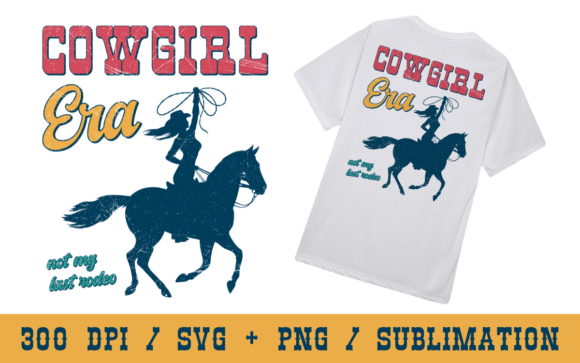
When I evaluate a new digital asset for my studio, I am rarely looking at the preview image alone. I am visualizing the thread tension, the fabric drape, and the final customer experience. Recently, I pulled Cowgirl Era, Trendy Western Retro Design from my library to test its viability for upcoming client orders and small business merchandise. As an embroidery designer who spends hours troubleshooting stitch paths and density issues, I approach every embroidery file with a healthy dose of skepticism. This particular graphic caught my eye not just for its aesthetic, but for its potential versatility in the current market.
The design falls under the broad category of T-Shirt Designs and Graphics, but its application extends far beyond simple apparel. It carries a distinct mood—nostalgic yet modern, rugged yet polished. In this review, I will break down how this design performs in real-world stitching scenarios, where it shines, and where you might need to exercise caution before sending it to your machine.
First Impressions and Visual Personality
The immediate appeal of Cowgirl Era, Trendy Western Retro Design lies in its balance. It avoids the cluttered look that often plagues busy western motifs. Instead, it offers a clean, recognizable silhouette that reads well even when reduced in size. For a handmade product seller, readability is everything. If a customer cannot instantly identify the theme on a tote bag design or a sweatshirt embroidery, the sale is lost.
The retro vibe suggests a target audience that appreciates vintage aesthetics but wants them updated for contemporary tastes. This makes it an excellent choice for custom apparel aimed at millennials and Gen Z consumers who are drawn to "cottagecore" or "western chic" trends. The design feels confident without being aggressive, which is crucial for items like baby embroidery or nursery decor where softness and charm are prioritized over bold statements.
Real-World Application Scenarios
To truly judge an embroidery project, you have to imagine it on various substrates. Here is how I see Cowgirl Era, Trendy Western Retro Design performing across different product categories:
- Custom Apparel and Sweatshirts: This is perhaps the strongest use case. On a heather grey or cream crewneck sweatshirt, the design would pop beautifully. The retro color palette (if converted appropriately) complements earth tones perfectly. It works as a centered chest logo or a larger back print for a boutique branding effort.
- Tote Bags and Canvas Items: A sturdy canvas tote is a staple for any Etsy seller. The clean lines of this design translate well to heavy fabrics. However, be mindful of the hoop placement; ensure the design does not stretch too much on the sides of the bag, which can distort the shape.
- Baby and Nursery Items: When scaled down for onesies or burp cloths, the design retains its charm. It serves as a perfect personalized gift for baby showers. The simplicity ensures that even intricate details do not get lost in the stitching, provided you use high-quality threads.
- Holiday Gifts and Kitchen Towels: For seasonal runs, this design fits well into autumn-themed collections. It pairs nicely with fall colors like mustard, rust, and olive. It also works surprisingly well on tea towels, adding a touch of personality to a functional kitchen towel gift set.
- Embroidered Patches: If you plan to create detachable patches, this design has enough definition to stand alone. Just ensure you add a sufficient border if you intend to cut it out, or use a dense edge stitch to prevent fraying.
Technical Considerations and Stitch Quality
As a professional reviewer, I must address the technical side. While the source files are described as high-resolution SVGs and PNGs, the actual embroidery outcome depends entirely on how these vectors are digitized or traced. If you are converting these graphics into a machine embroidery design, pay close attention to the following:
- Stitch Density: Avoid making the fill stitches too dense. Western themes often use heavy textures, but excessive density can cause puckering, especially on lighter fabrics. Aim for a balanced stitch density that allows the fabric to breathe.
- Satin vs. Fill Stitch: Use satin stitches for outlines and text to give a crisp, defined edge. Use fill stitches for larger background areas. Mixing these techniques adds depth and professionalism to the finished product.
- Thread Colors: The original RGB colors in the PNG files will not transfer directly to thread. You must choose thread colors that mimic the retro palette. High-contrast combinations work best. For example, a dark brown outline with a tan fill creates a classic western look.
- Hoop Size: Always check the dimensions of the design against your available hoop size. If the design is large, you may need a multi-hooping sequence, which increases production time and the risk of misalignment.
Where to Exercise Caution
No design is universal, and Cowgirl Era, Trendy Western Retro Design has specific limitations you should respect:
- Small Hoop Sizes: If you are working with a 4x4 inch hoop, tiny details may become indistinguishable. Test the design at the smallest intended scale first.
- Textured or Stretchy Fabrics: Knits and heavily textured materials can hide the intricacies of the design. On stretchy fabrics, always use a proper stabilizer to prevent distortion during stitching.
- Dense Stitch Areas: Avoid placing dense stitch areas near seams or edges where the fabric might pucker. Also, be cautious with decorative accents that are too fine; they may break during the embroidery process.
- Dark Fabric: If embroidering on dark fabrics, ensure your underlay stitches are robust enough to support the top threads. Otherwise, the design may look washed out or uneven.
Business Value and Customer Appeal
From a commercial standpoint, this design offers strong value. It taps into a popular aesthetic without feeling dated. For craft business owners, it provides a versatile asset that can be used across multiple product lines, maximizing your return on investment. It enhances brand consistency if your shop focuses on western, rustic, or bohemian styles.
Customers appreciate designs that feel curated and intentional. By using Cowgirl Era, Trendy Western Retro Design, you signal that you understand current trends while delivering quality craftsmanship. This builds customer trust and encourages repeat purchases. Whether you are listing it on Etsy or selling at craft fairs, the design’s clear visual identity helps it stand out in a crowded marketplace.
Final Verdict and Practical Tips
I recommend Cowgirl Era, Trendy Western Retro Design for designers looking to expand their western-themed offerings. It is a reliable, aesthetically pleasing asset that works well in both personal and commercial embroidery contexts. However, success depends on proper execution.
Before committing to a full production run, follow these steps:
- Test the design on scrap fabric to check thread contrast and stitch clarity.
- Inspect small details to ensure they are legible at your desired size.
- Use a stabilizer appropriate for your fabric type to prevent puckering.
- Create black and white mockups to evaluate the design’s shape and balance independently of color.
- Confirm licensing terms if you plan to sell finished items or digital previews.
By taking these precautions, you can leverage the full potential of this design. It is more than just a digital embroidery file; it is a tool for creating memorable, high-quality handmade products that resonate with customers. If executed well, Cowgirl Era, Trendy Western Retro Design will be a standout addition to your portfolio.