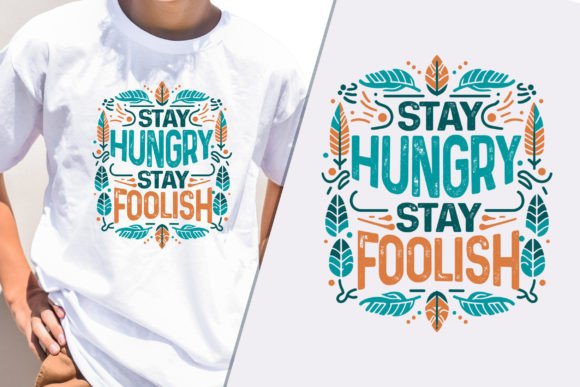
Stay Hungry Retro T-shirt Design Review
As a designer who spends more time looking at stitch density and fabric grain than scrolling through social media feeds, I approach every new embroidery file with a healthy dose of skepticism. We have all seen designs that look stunning on a screen but turn into a tangled mess under the needle. Today, I am evaluating the Stay Hungry Retro T-shirt Design, a piece that claims to blend motivational messaging with vintage aesthetics. My goal is not just to tell you if it looks nice, but to determine if it holds up as a viable asset for your craft business, Etsy listings, or personal handmade product line.
The First Impression: Mood and Visual Personality
When I first loaded the Stay Hungry Retro T-shirt Design onto my digitizing software, the immediate takeaway was its nostalgic warmth. The typography leans heavily into mid-century retro styles, which currently has significant traction in the custom apparel market. It does not scream for attention with neon colors or aggressive modern fonts; instead, it offers a calm, confident vibe that resonates well with audiences looking for quality over quantity.
The layout is balanced, which is crucial when translating digital graphics to physical thread. For an embroidery project to succeed, the negative space must be respected. This design understands that balance. It feels like a timeless classic rather than a fleeting trend, making it suitable for long-term inventory planning. If you are an Etsy seller or run a small shop, this kind of versatility is gold. It fits seamlessly into categories ranging from personalized gift items to everyday wearables.
Real-World Application: From Screen to Stitch
The true test of any machine embroidery design is how it behaves in real-life scenarios. I visualized this design across several common products to gauge its potential value.
- Sweatshirt Embroidery: The retro theme pairs exceptionally well with heather grey or navy fleece. The thickness of sweatshirt material provides a sturdy base, allowing the fill stitch areas to pop without showing the backing too much. This is a strong candidate for fall and winter collections.
- Tote Bag Design: Canvas is a forgiving fabric, but it can pucker if the stitch density is too high. This design appears to have a moderate density, making it ideal for a chest placement on a canvas tote. It elevates a basic accessory into a boutique-level item.
- Baby Embroidery: There is a surprising softness to this design that works for nursery decor or baby onesies. When digitized correctly, the retro font remains legible even at smaller scales, making it a thoughtful choice for holiday embroidery gifts.
- Embroidered Patch: Because the design has a distinct shape and clear boundaries, it translates well into a patch format. This opens up avenues for commercial embroidery projects where durability and attachment methods (iron-on or sew-on) are key selling points.
However, we must consider the customer reaction. A buyer purchasing a finished product with this design is likely looking for something that feels authentic and crafted. The retro aesthetic triggers a sense of nostalgia, which builds emotional connection and trust. It signals that the maker cares about style, not just speed.
Where Caution Is Required
No design is perfect for every surface. As an experienced reviewer, I need to highlight where the Stay Hungry Retro T-shirt Design might struggle. Precision in these areas protects your reputation and reduces waste.
- Small Hoop Sizes: If you attempt to stitch this on a very small hoop (under 4x4 inches), fine details may become muddy. Always inspect small details before committing to a final production run.
- Textured and Stretchy Fabrics: While jersey knits are popular for t-shirts, they require careful stabilization. Without proper support, the satin stitch edges can distort, ruining the clean lines of the retro lettering. Similarly, heavy textures like bouclé wool will hide the intricacies of the design.
- Curved Surfaces: Applying this to caps or hats requires a curved hoop setup. If the digitization does not account for curvature, the text may appear warped. Test this thoroughly if you plan to sell branded merchandise.
- Dense Stitch Areas: Check the back of the design. Excessive density can make the front feel stiff and uncomfortable, especially on garments meant for frequent washing. A comfortable hand-feel is essential for repeat customers.
Practical Designer Notes for Success
To ensure the Stay Hungry Retro T-shirt Design delivers professional results, follow these practical steps before mass production:
- Test on Scrap Fabric: Never skip this step. Run the design on the actual fabric type you intend to use. This reveals how the thread colors interact with the material’s weave.
- Check Thread Color Contrast: Retro designs often rely on subtle shading. Ensure your thread choices provide enough contrast against the background fabric. A light grey thread on white fabric will disappear, while a dark navy on black may lack definition.
- Review Stitch Density: High density saves time but can lead to puckering. Low density saves thread but may show the stabilizer underneath. Aim for a balance that ensures clarity without stiffness.
- Use Proper Stabilizer: The right stabilizer is invisible in the final product but critical during stitching. For woven fabrics, cut-away stabilizer is usually best for longevity. For knits, tear-away or wash-away might suffice depending on the weight.
- Black and White Mockups: Convert the design to grayscale in your software. This helps you see the tonal values and spacing without the distraction of color, ensuring the composition is solid.
- Confirm Licensing: Before listing this as a digital embroidery file or selling finished items, verify the license terms. Some designs allow commercial use, while others are strictly for personal projects. Protect your small shop product business by staying compliant.
Final Verdict on Visual Appeal and Value
The Stay Hungry Retro T-shirt Design succeeds because it respects the medium. It does not try to be something it is not. It leverages the strengths of thread—texture, sheen, and dimension—to enhance a simple, powerful message. For designers, this means less troubleshooting and more creating. For sellers, it means a product that photographs well and appeals to a broad demographic.
In the crowded market of graphics and t-shirt designs, standing out requires quality execution. This design provides a strong foundation. Whether you are creating a unique apron for a wedding gift, a cozy pillow cover for a nursery, or a trendy sweatshirt embroidery piece for your online store, this asset offers reliable performance. It bridges the gap between digital artistry and tangible craftsmanship, delivering a handmade product that feels both modern and timeless.
By paying attention to fabric selection, stabilization, and thread choices, you can unlock the full potential of this design. It is a smart addition to any library of design assets, offering consistent value for hobbyists and professionals alike.