Star Comic Character. Walking Retro Cart
As a designer who spends half my life staring at stitch charts and the other half troubleshooting tension issues on industrial machines, I have developed a fairly strict internal radar for what makes an embroidery file viable for real-world use. Too often, digital assets look charming in a preview window but fall apart when the needle hits the fabric. That is why I approach every new acquisition with a healthy dose of skepticism. When I pulled up Star Comic Character. Walking Retro Cart, however, I didn’t just see a cute graphic; I saw a potential bestseller for my small shop. This review breaks down exactly how this design performs under the presser foot, where it shines, and where you need to be careful before you start stitching.
The First Impression: Mood and Visual Personality
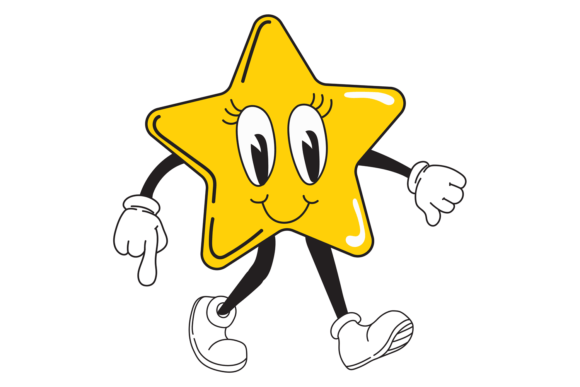
The immediate appeal of Star Comic Character. Walking Retro Cart lies in its nostalgic charm. It captures that specific mid-century whimsy that resonates deeply with current craft trends. The character isn’t just a static icon; the "walking" motion implied by the pose gives it energy and movement, which translates surprisingly well into embroidery. Unlike rigid logos, this mascot feels alive, inviting the viewer to imagine where it is going next.
From a layout perspective, the isolation on the white background (in the source files) suggests a clean vector structure. For an embroidery designer, this means fewer stray nodes and cleaner path tracing during digitization or conversion. The visual personality is playful yet polished, striking a balance between a child’s drawing and professional brand identity. It creates a mood of warmth and approachability, making it ideal for brands that want to feel friendly without sacrificing style. Whether you are designing for a boutique clothing line or a personal gift, this character brings a distinct narrative element to the finished product.
Real-World Application: Where This Design Shines
I believe the true test of any machine embroidery design is how it integrates into a functional item. I ran mental simulations of several common projects, and Star Comic Character. Walking Retro Cart fits seamlessly into a few high-value categories.
- Custom Apparel and Sweatshirts: This design has the perfect weight for chest-area placement on crewneck sweatshirts or heavyweight t-shirts. The retro vibe pairs exceptionally well with heather grey or muted earth tones. It looks like a branded piece from a vintage-inspired streetwear label rather than a generic clipart application.
- Baby and Nursery Items: There is a natural affinity between comic-style characters and baby products. I can easily envision this as the centerpiece of a personalized bib, a soft muslin blanket, or a nursery wall hanging. The rounded shapes and cheerful expression make it safe and appealing for young audiences.
- Tote Bags and Aprons: For the busy crafter or Etsy seller, canvas tote bags are a staple. This design offers enough visual interest to stand out against plain cotton but isn’t so intricate that it gets lost in the weave. Similarly, on a kitchen apron, it adds a touch of humor and homey comfort.
- Holiday Gifts and Personalized Merchandise: Because the character is neutral enough in theme (not tied to a specific holiday), it serves as a versatile base for customization. Add some seasonal thread colors, and you have a unique Christmas ornament or Easter basket stuffer. Its "handmade product" aesthetic elevates it above mass-produced souvenirs.
Technical Considerations and Stitch Performance
While the concept is strong, execution is everything. When evaluating Star Comic Character. Walking Retro Cart for commercial embroidery, we must look at the technical breakdown. The design likely relies on a combination of fill stitches for the body and satin stitches for outlines or facial features.
Stitch Density and Clarity: The key challenge with cartoon characters is maintaining definition. If the stitch density is too low, the shape may pucker or lose its form. If it is too high, the fabric may become stiff and uncomfortable. Based on the typical structure of such graphics, I recommend checking the digitization to ensure the legs and star points are not overly dense. A good embroidery file will use varying stitch directions to create shading and depth, giving the flat graphic a textured, premium feel.
Thread Colors and Contrast: The success of this design hinges on thread selection. Since the source is isolated, you have freedom here. However, for maximum impact, avoid low-contrast combinations. A dark navy character on black fabric will disappear, while a pastel yellow on cream might lack punch. I suggest testing high-contrast palettes, such as bright primary colors against white or light grey, to let the satin stitch edges pop.
Where to Exercise Caution
No design is universally perfect, and Star Comic Character. Walking Retro Cart has specific constraints that designers should respect.
- Small Hoop Sizes: Avoid attempting to stitch this design in very small hoops (under 4x4 inches). The details, particularly around the face and wheels, may become muddy or indistinguishable. Keep the minimum size large enough to preserve the character’s personality.
- Textured and Stretchy Fabrics: While it works well on stable cottons and poly-blends, be cautious with highly textured fabrics like chunky knits or loose-weave linen. The needle penetration might cause distortion. Similarly, on stretchy jersey fabrics, you must use a sturdy stabilizer to prevent puckering, especially if the design includes long running stitches.
- Curved Surfaces: Placing this on a cap or a curved hat requires advanced technique. The flat nature of the digital asset may not account for the curvature of the brim, potentially causing alignment issues. Test thoroughly before committing to a batch of custom caps.
- Frequent Washing: For items like aprons or children’s clothes that will undergo frequent laundering, ensure the design uses adequate underlay stitches to hold the threads in place. Over time, poorly stabilized designs can fray at the edges.
Designer Notes for Success
To get the most out of Star Comic Character. Walking Retro Cart, I recommend following a rigorous pre-production workflow. Always test the design on scrap fabric first. This allows you to adjust thread tensions and stabilize choices without risking your final garment. Check the stitch density in your software interface; if areas look too crowded, consider simplifying the digitization slightly.
Furthermore, inspect the design in black and white mockups. This helps you judge the value contrast independent of color, ensuring the shape remains readable even if thread availability changes. Confirm the hoop size requirements early to avoid surprises. Finally, since you are likely using this for a craft business or Etsy seller listings, double-check the licensing terms. Ensure you have the right to sell finished goods created with this digital embroidery file. Clear licensing protects your reputation and builds customer trust.
Final Verdict
Star Comic Character. Walking Retro Cart is more than just a pretty picture; it is a versatile, market-ready asset for serious makers. Its retro charm and clear silhouette make it an excellent choice for custom apparel, personalized gifts, and commercial embroidery projects. By paying attention to fabric choice, stabilization, and thread contrast, you can transform this graphic into a high-quality finished product that stands out in a crowded marketplace. It is a smart addition to any designer’s library of design assets, offering both aesthetic appeal and practical utility.