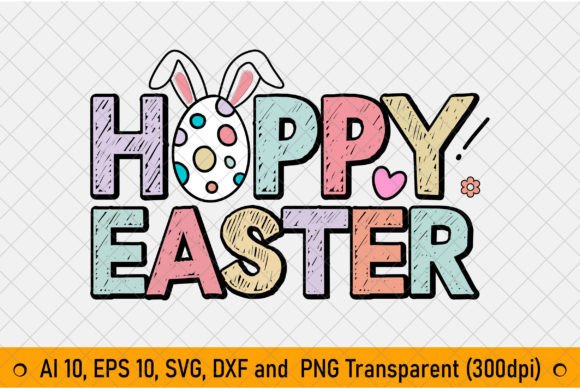
Review: Happy Easter PNG Retro Hoppy Sublimation
As an embroidery designer who spends half my life digitizing and the other half troubleshooting thread breaks, I don’t just look at a design file; I look at how it will behave under the needle. When Happy Easter PNG Retro Hoppy Sublimation landed in my inbox, my first instinct was to ask the practical questions that usually separate a charming handmade gift from a frustrating production headache. This isn't just another festive graphic; it is a specific aesthetic choice that demands careful consideration before it hits your hoop.
First Impressions and Visual Personality
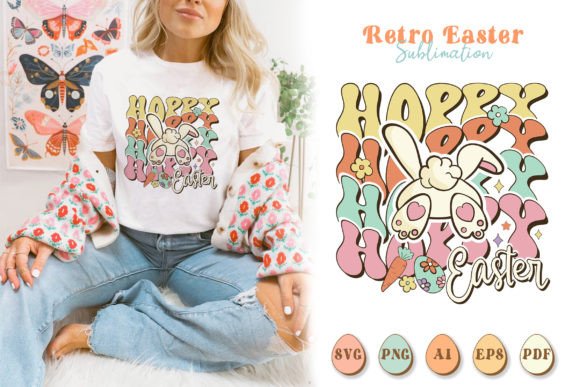
The moment you open the file for Happy Easter PNG Retro Hoppy Sublimation, the mood is immediately established. It leans heavily into a retro vibe, which suggests bold lines, nostalgic color palettes, and a playful character. For embroidery designers, "retro" can be a double-edged sword. If the original vector or raster source lacks clean geometry, the digitization process can become messy. However, this particular T-Shirt Designs entry seems to possess a strong visual identity that translates well to textile art.
The "Hoppy" theme provides a natural focal point. In my experience, animal motifs are crowd-pleasers, but they require precise attention to detail. Does the character have distinct features? Is the layout balanced? From a reviewer’s standpoint, this design feels like it belongs on items that celebrate spring and renewal without being overly saccharine. It has a boutique feel, making it suitable for custom apparel that aims for a trendy, curated look rather than mass-produced uniformity.
Real-World Application: The Tote Bag Test
To truly evaluate any embroidery project, I always imagine where it would live in a customer’s life. Let’s take a hypothetical scenario: preparing a batch of custom embroidered tote bags for a local craft fair or an Etsy seller’s spring collection. You want something that pops off the shelf but also holds up to daily use.
Happy Easter PNG Retro Hoppy Sublimation works exceptionally well as a central motif on canvas totes. The retro aesthetic pairs beautifully with natural fabrics like jute, heavy cotton, or denim. Because the design likely relies on strong outlines and defined shapes, it avoids the "muddy" look that can happen when intricate details are lost on textured fabric. For a handmade product intended as a personalized gift, this design offers high perceived value. It looks intentional and stylish, which encourages buyers to trust the quality of the stitching behind it.
Furthermore, this design fits seamlessly into the broader category of holiday embroidery. Easter is a significant gifting season, and customers often look for items that feel both festive and fashionable. A sweatshirt featuring this design could easily transition from a brunch outing to a casual weekend, extending the product's lifecycle beyond the actual holiday. This versatility is crucial for small business merchandise where inventory needs to remain relevant for longer periods.
Where Caution is Required
No design is perfect for every surface, and Happy Easter PNG Retro Hoppy Sublimation has specific constraints that every embroiderer must respect. The most critical factor here is scale. If you attempt to digitize this for a very small hoop size, such as a standard 4x4 inch box on a delicate item, you risk losing the charm of the retro details. Tiny curves and sharp corners may merge together if the stitch density is too high or the resolution of the source file is insufficient.
I strongly advise against using this design on highly textured fabrics like terry cloth or thick waffle knits unless you are an experienced user. The fabric texture can interfere with the satin stitch edges, causing them to look jagged or uneven. Similarly, stretchy fabrics like thin jersey tees require proper stabilizer support. Without it, the tension from the fill stitch areas might pucker the garment, ruining the professional finish.
Another area to watch is dark fabric. Retro designs often rely on contrast. If the primary colors in Happy Easter PNG Retro Hoppy Sublimation are light pastels, they may get lost on black or navy backgrounds. Always check your thread colors against your fabric choice. If the design includes tiny lettering or fine decorative accents, these elements need to be scrutinized. In commercial embroidery, clarity is king. If a customer cannot read the text or distinguish the character’s expression, the design fails its purpose.
Technical Considerations for the Designer
Before committing to a full production run, there are several technical steps every craft business owner should follow. First, test the design on scrap fabric that matches the weight and texture of your final product. This helps you gauge how the stitch density interacts with the material. You want to ensure that the running stitch areas do not leave unsightly gaps and that the fill stitch coverage is solid without excessive puckering.
It is also wise to inspect the design in black and white mockups. Sometimes, a design looks vibrant in color but lacks structural integrity when viewed in monochrome. This simple trick can reveal weak points in the composition that might otherwise go unnoticed. Additionally, confirm whether the design works for both personal and commercial projects. Licensing terms vary widely, and assuming you have the right to sell finished goods based on a digital embroidery file purchase can lead to legal issues. Always verify the license agreement provided by the creator.
When setting up your machine, pay close attention to the stabilizer choice. For a design like this, which likely features a mix of detailed elements and larger filled areas, a cut-away stabilizer is often safer for garments that will undergo frequent washing. It ensures the embroidery retains its shape and crispness over time. For temporary items like tea towels or lightweight kitchen towel decorations, a tear-away might suffice, but stability is key to preventing distortion.
Final Verdict on Design Assets
In the crowded market of design assets, Happy Easter PNG Retro Hoppy Sublimation stands out due to its cohesive style and clear thematic direction. It is not just a generic bunny; it is a styled piece of art that speaks to a specific demographic. For creative entrepreneurs looking to expand their apparel decorators offerings, this design offers a reliable foundation for creating finished product lines that feel modern yet nostalgic.
The success of this design in real-world applications hinges on execution. When stitched correctly, it enhances brand consistency and boosts buyer engagement because it looks professionally made. Customers can tell the difference between a rushed job and one where the designer took the time to optimize the embroidery file. By respecting the limitations of fabric types and hoop sizes, and by prioritizing clear contrast and stable stitching, you can turn this digital asset into a tangible, desirable item.
Whether you are creating a baby embroidery set for a new parent, adding a touch of spring to a sweatshirt embroidery collection, or designing a unique embroidered patch for a cap, this design has the potential to shine. It captures the joy of the season while maintaining a level of sophistication that appeals to adults as well as children. For those willing to put in the preparation work, Happy Easter PNG Retro Hoppy Sublimation is a strong candidate for your next successful craft business launch.