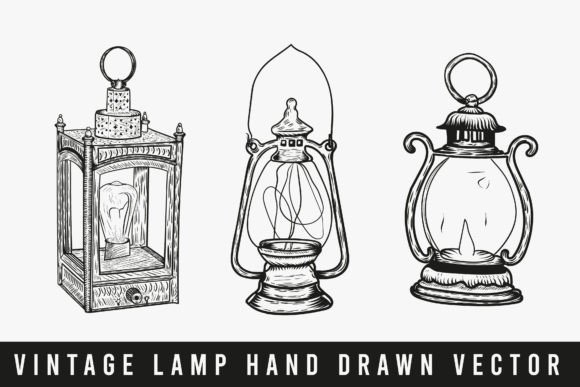
Old Lanterns Engraving Style Vector Set Review
When I am scouting for design assets that can elevate a simple craft project into something that feels like a boutique find, I look for more than just a pretty picture. I look for structure, clarity, and a mood that translates well from screen to fabric. Recently, I took a closer look at the Old Lanterns Engraving Style Vector Set, a collection of retro lamp illustrations rendered in a classic engraved aesthetic. As someone who spends hours judging how vector lines will behave under an embroidery needle, I wanted to see if this set holds up in real-world application. This review breaks down how these graphics perform when converted into machine embroidery designs, focusing on practical use for custom apparel, small business merchandise, and personalized gifts.
The First Impression: Mood and Visual Personality
The immediate appeal of the Old Lanterns Engraving Style Vector Set lies in its vintage character. The imagery features kerosene lamps and retro lighting fixtures drawn with fine, intricate lines that mimic traditional copperplate engravings. There is a warmth to the subject matter that evokes nostalgia, craftsmanship, and slow living. For designers targeting audiences interested in farmhouse decor, rustic aesthetics, or heritage styles, this visual personality is a strong asset.
Unlike modern, minimalist line art, these illustrations have weight and texture built into their very structure. The cross-hatching and detailed shading inherent in an engraving style suggest depth without relying on color gradients. This is crucial for embroidery, where we are limited by thread tension and stitch types. The design feels substantial enough to anchor a garment or accessory, yet delicate enough to feel elegant rather than bulky. It creates a mood of quiet sophistication, making it ideal for products that aim to tell a story about tradition and enduring quality.
Real-World Application: From Vector to Stitched Product
I often test new graphic sets by imagining specific finished products before I even open the file. With the Old Lanterns Engraving Style Vector Set, several scenarios immediately come to mind. First, consider a custom embroidered tote bag made of heavy canvas. Placing one of these lantern designs centrally would create a striking focal point. The intricate details would translate beautifully into a combination of satin stitches for the outline and fill stitches for the shaded areas, giving the bag a premium, artisanal look that customers are willing to pay for.
Another strong use case is sweatshirt embroidery. A smaller, simplified version of the lantern could be placed over the heart or on the cuff of a crewneck sweatshirt. The retro vibe pairs exceptionally well with soft, worn-in fabrics, creating a cohesive aesthetic that appeals to the handmade community and Etsy shoppers looking for unique holiday gifts. Similarly, for baby items like muslin blankets or hooded towels, the gentle, antique feel of the lantern adds a touch of timeless charm that parents appreciate. It avoids the overly cute or cartoonish tropes common in nursery decor, offering instead a sophisticated alternative that fits well in a modern farmhouse nursery.
For commercial embroidery projects, this set offers versatility. It works well as an embroidered patch for denim jackets or caps, provided the background is managed correctly. It also serves as excellent inspiration for kitchen textiles; imagine the lantern motif stitched onto tea towels or aprons in a monochromatic thread scheme. The design’s ability to function across different product categories—from wearable apparel to home decor—makes it a valuable addition to any designer’s library of design assets.
Stitching Clarity and Technical Considerations
Translating an engraving-style vector into an embroidery file requires careful attention to stitch density and detail resolution. The fine lines of the lantern illustrations must be interpreted wisely. If the digitizer attempts to replicate every single hairline stroke, the result may be too dense, leading to puckering or thread breakage. Instead, the design should rely on strategic use of running stitch for fine details and satin stitch for bold outlines. The fill stitch should be used sparingly, perhaps only in larger shaded areas, to maintain the crispness of the engraved look.
Thread colors play a significant role here. While black and white thread combinations are classic, experimenting with muted tones like slate gray, navy, or deep burgundy can enhance the vintage feel. On light fabrics, dark threads provide high contrast and clarity. On darker fabrics, using metallic or lighter neutral threads can make the lantern pop while maintaining the retro atmosphere. Testing the design in black and white mockups early in the process helps ensure that the negative space and positive shapes remain distinct after stitching.
Where Caution Is Needed
While the Old Lanterns Engraving Style Vector Set is versatile, there are specific situations where it requires careful handling. Small hoop sizes are a primary constraint. Trying to fit intricate engraved details into a 4x4 inch hoop or smaller can result in lost definition. The tiny gaps between lines may close up during stitching, turning delicate shading into muddy blobs. For such small applications, it is advisable to simplify the design or choose a more minimal element from the set.
Textured and stretchy fabrics also pose challenges. Embroidery on thick denim or ribbed knit materials can distort fine details. Additionally, curved surfaces like baseball caps require the design to be adapted to follow the contour of the hat. Flat vector images may not translate seamlessly to curved hoops without proper digitizing adjustments. Furthermore, products that undergo frequent washing, such as everyday tote bags or work aprons, benefit from robust stitch structures. Delicate, highly detailed areas may wear down faster than bolder, simpler motifs, so reinforcing key structural lines is recommended for longevity.
Practical Designer Notes for Implementation
Before committing to a full production run or selling finished items, I always recommend a rigorous testing phase. Start by testing the design on scrap fabric that matches the final product in weight and texture. Check the thread color contrast under natural lighting conditions to ensure visibility. Inspect the stitch density closely; if the fabric is distorting, reduce the number of passes or switch to a lighter stabilizer type.
It is also essential to confirm whether the design works for both personal and commercial projects. Licensing terms vary widely among digital product sellers, so verify your rights before listing the item on platforms like Etsy or Amazon Handmade. Compare light and dark fabric backgrounds to see how the lantern design adapts to different moods. Use proper stabilizer backing to prevent shifting, especially for intricate satin stitches. Finally, consider how the design affects brand consistency. If your shop focuses on rustic, handmade goods, this engraving style aligns perfectly. If you sell modern, sleek products, it might feel out of place unless stylized appropriately.
Final Thoughts on Value and Appeal
The Old Lanterns Engraving Style Vector Set offers more than just a graphic; it provides a narrative tool for designers. Its ability to convey history and craftsmanship makes it a powerful element in handmade product creation. When executed with technical precision, it enhances the perceived value of the finished product, building customer trust through professional presentation. Whether you are creating a personalized gift for a loved one or launching a line of boutique home goods, this design set provides a solid foundation for engaging, visually appealing embroidery projects. By respecting its limitations and leveraging its strengths, designers can create memorable pieces that resonate with buyers seeking authenticity and style.