Air Forces Tag. Retro Military Green Bad
When I pull a new digital asset into my design software, I don’t just look at the pixels; I immediately start visualizing the needle movement. As an embroidery designer who frequently consults for small boutiques and Etsy sellers, I’ve learned that a graphic’s potential is often hidden in its stitchability. Today, I’m putting Air Forces Tag. Retro Military Green Bad through its paces to see if it holds up under the scrutiny of real-world production. This isn’t just about how it looks on a screen; it’s about how it translates when rendered in thread.
The First Impression: Mood and Visual Personality
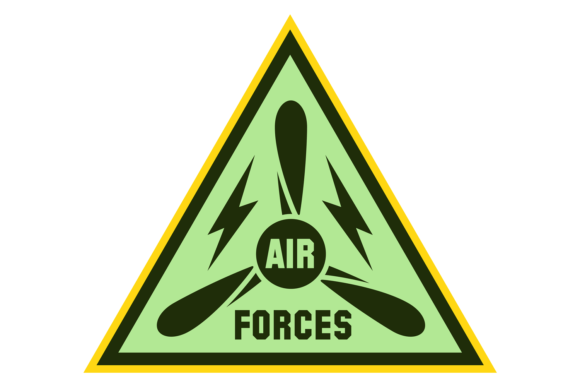
At first glance, Air Forces Tag. Retro Military Green Bad strikes a chord with anyone familiar with vintage military aesthetics. The color palette—anchored by that specific shade of retro military green—is instantly recognizable. It evokes a sense of rugged utility and nostalgic authority without being overly aggressive. For designers working on custom apparel or embroidered patches, this mood is gold. It suggests durability and heritage, qualities that resonate deeply with customers looking for handmade product items that feel substantial.
The layout appears clean and isolated, which is crucial for vector-based graphics like EPS or SVG files. When I evaluate a design for conversion into an embroidery file, I look for clear boundaries. A cluttered background can lead to messy stitching or unnecessary trimmings. This tag format offers a distinct shape that promises a crisp outline, likely relying on a strong satin stitch to define the edges. The "retro" aspect implies some stylized elements rather than hyper-realism, which is a smart choice for embroidery. Fine details often get lost in dense thread work, so a bold, graphic approach ensures the final finished product remains legible and impactful.
Real-World Application: From Screen to Stitch
Let’s imagine a practical scenario. You are preparing inventory for an upcoming craft fair or updating your Etsy listings. You need a versatile design that appeals to a broad audience but still feels niche enough to stand out. Air Forces Tag. Retro Military Green Bad fits perfectly into a collection of tote bag design assets or sweatshirt embroidery projects.
I envision this design placed prominently on the chest of a heavyweight cotton hoodie. The contrast between the soft fabric texture and the structured, badge-like shape of the design creates a premium feel. Because the source is described as an illustration in the Graphics category, it likely has scalable vector properties. This means you can resize it from a small pocket logo on a cap to a larger statement piece on a backpack without losing resolution before digitizing. However, remember that scaling also affects stitch density; a larger size allows for more detail, while a smaller size requires simplification to avoid a muddy appearance.
Another strong use case is for personalized gift items. Think of custom aprons for a home cook who loves outdoor themes, or perhaps holiday embroidery gifts featuring military-themed decor for veterans or their families. The design’s versatility allows it to sit comfortably alongside other design assets in a curated shop. It doesn’t scream for attention but commands respect, which builds customer trust in the quality of your brand.
Where Caution Is Required
No design is flawless, and knowing where to apply caution separates a professional from a hobbyist. While Air Forces Tag. Retro Military Green Bad is robust, there are specific scenarios where it might struggle.
First, consider small hoop sizes. If you attempt to embroider this on a delicate item like a baby onesie or a tiny hat brim, the complexity of the badge’s inner details might become indistinguishable. Tiny lettering or intricate lines within the tag could merge together, creating a blob of thread rather than a sharp image. In such cases, you would need to simplify the machine embroidery design significantly.
Second, think about the fabric. Embroidering on stretchy knits or highly textured materials like bouclé wool can distort the precise geometry of a tag. The stabilizer plays a massive role here; without proper support, the stitch density can cause puckering, ruining the sleek look of the badge. Additionally, dark fabrics require careful planning. If the design relies on negative space or thin white outlines, you may need to add a cut-away stabilizer or a backing layer to ensure the threads pop against the darker background.
Curved surfaces, such as baseball caps, also present challenges. A flat tag design must be adapted to follow the curve of the cap front. If the original vector doesn’t account for curvature, the digitizing process will need to compensate, potentially altering the proportions of the green badge.
Practical Designer Notes for Success
To ensure Air Forces Tag. Retro Military Green Bad delivers the best results, follow these steps before committing to a full production run:
- Test on Scrap Fabric: Always stitch a test version on the exact fabric type you plan to use. This reveals issues with tension, thread breakage, or fabric distortion early.
- Check Thread Color Contrast: The military green should stand out against your chosen base fabric. If the background is too similar in tone, the design will lack impact. Consider using a contrasting border thread.
- Review Stitch Density: High-density fills can make fabric stiff and uncomfortable, especially on baby embroidery items. Ensure the fill stitches are balanced with adequate spacing.
- Inspect Small Details: Zoom in on the digitized version. Are the corners sharp? Is the text readable? If not, adjust the path or simplify the shapes.
- Use Proper Stabilizer: Match your stabilizer to the fabric weight. Lightweight fabrics need lightweight tear-away or wash-away stabilizers, while heavy canvas needs cut-away stability.
- Confirm Licensing: Before selling commercial embroidery products or digital files, verify the license terms associated with the original illustration. Some graphics allow commercial use of finished goods but prohibit resale of the digital file itself.
Final Verdict on Visual Appeal and Value
Ultimately, Air Forces Tag. Retro Military Green Bad is a strong contender for designers seeking a timeless, masculine, and rustic aesthetic. It enhances the perceived value of a craft business offering because it looks intentional and well-crafted. Customers associate high-quality embroidery with care and precision, and a clean, well-executed badge design reinforces that narrative.
Whether you are creating printable mockups for clients or producing physical small shop products, this design provides a solid foundation. It bridges the gap between digital artistry and tactile craftsmanship. By respecting the limitations of the medium—hoop size, fabric type, and stitch clarity—you can transform this simple vector graphic into a standout piece of wearable art. For any maker looking to expand their catalog with reliable, appealing designs, this tag is a worthy addition to your library of digital embroidery files.